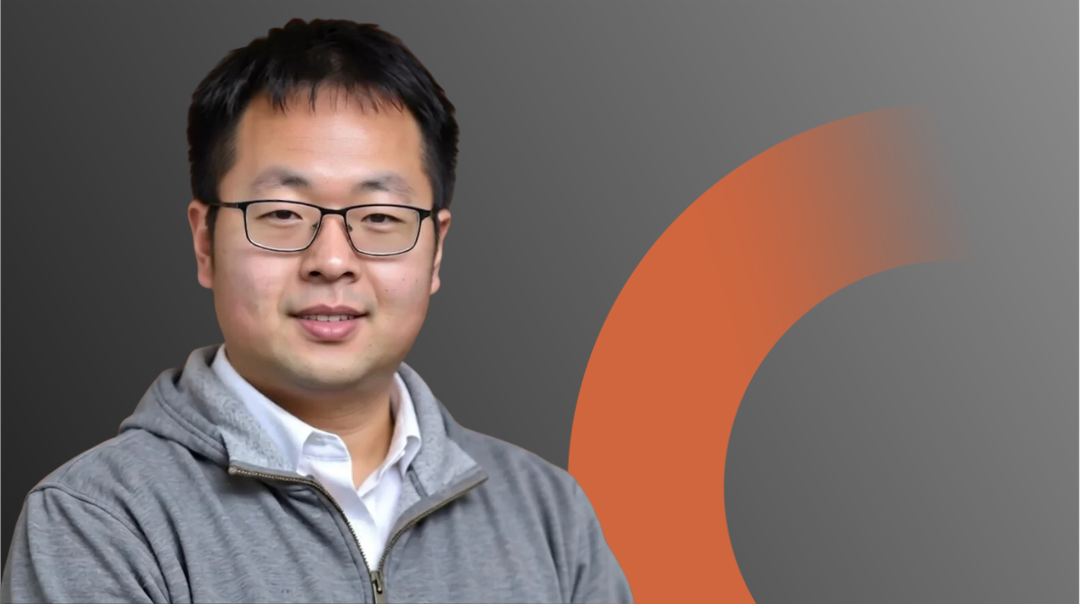
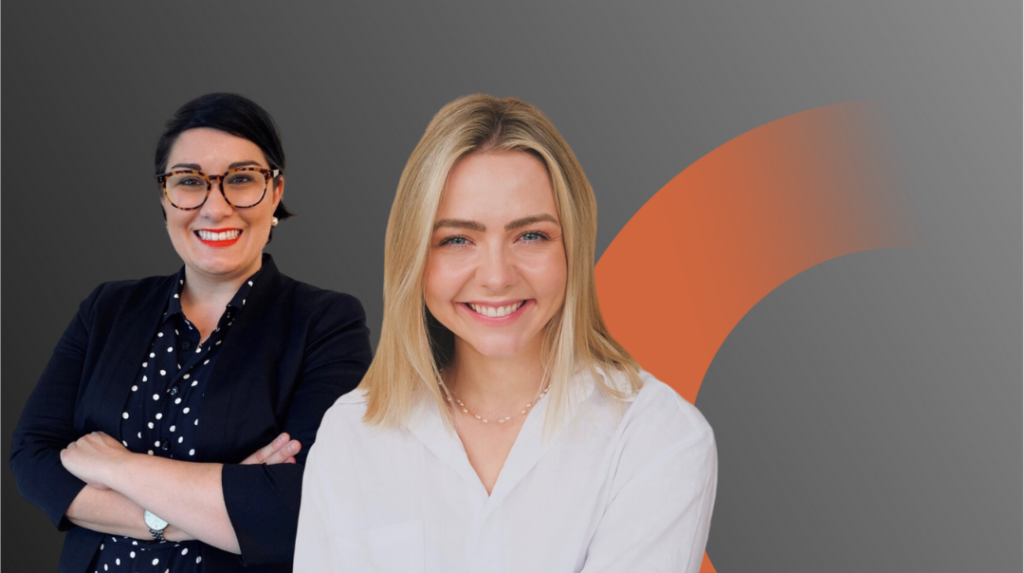
Insights into the fair entitlements guarantee (FEG) recovery program with Courtney Macdade and Rebecca Dalais

In this episode of The Cut Andrew Blundell speaks with Courtney Macdade and Rebecca Dalais from the the Department of Employment and Workplace Relations FEG Recovery Program’s Recovery Funding team.

Courtney Macdade is the Acting Principal Government Lawyer in the Department of Employment and Workplace Relations FEG Recovery Program’s Recovery Funding team. She is based in Brisbane with over 8 years practising in restructuring and insolvency and dispute resolution and litigation funding. Courtney is focussed on engaging with liquidators as early in administrations as possible as well as collaborating with other government departments to enhance outcomes for employees.

Rebecca Dalais is a Senior Government Lawyer in the same team, with over 13 years’ experience in the insolvency industry, as an accountant then lawyer and now litigation funding specialist. She enjoys the strategic element of litigation, ongoing assessment of risk and recoverability and providing support to liquidators and their legal teams. Rebecca has a strong interest in alternative dispute resolution including mediated outcomes which limit the time and costs of the traditional litigation path.

This episode dives deep into the evolving role of the Fair Entitlements Guarantee (FEG) in insolvency and litigation funding.

  • FEG’s expansion into super guarantee debt collection offers more avenues for recovery, allowing liquidators to target broader claims.
  • The FEG funding team prioritizes early engagement with liquidators, significantly improving recovery rates and reducing legal fees.
  • FEG’s flexible approach to litigation allows liquidators to pursue sub-$5 million claims and tackle Phoenix activities effectively.

Links

Cathro & Partners are experts in providing insolvency and restructuring services that help to create and preserve business value and to enable individuals to make a fresh start. The firm specialises in restructuring, turnaround, personal and corporate insolvency, safe harbour, secured enforcement services, government advisory services and pre-lending services.
For a confidential discussion on any of the above, please reach out to one of our experts.

Recent Articles

At Cathro & Partners, we provide live access to ASIC insolvency statistics through our website dashboard, Cathro Clarity, enabling stakeholders to track insolvency trends and market movements in near real time. When the Small Business Restructuring (SBR) regime was introduced in FY21–22, initial uptake was modest, with just 37 restructuring plans recorded nationally

At Cathro & Partners, we provide live access to ASIC insolvency statistics through our website dashboard, Cathro Clarity, enabling stakeholders to track insolvency trends and market movements in near real time. When the Small Business Restructuring (SBR) regime was introduced in FY21–22, initial uptake was modest, with just 37 restructuring plans recorded nationally

In this episode of The Cut, Simon Cathro sits down with Mitch Taylor, founder of ClaimCloud, to explore a concept still unfamiliar to many Australian creditors: selling creditor claims for immediate liquidity. With over 25 years in credit markets, including time on Wall Street during the GFC, Mitch shares why

In this episode of The Cut, Simon Cathro sits down with Mitch Taylor, founder of ClaimCloud, to explore a concept still unfamiliar to many Australian creditors: selling creditor claims for immediate liquidity. With over 25 years in credit markets, including time on Wall Street during the GFC, Mitch shares why

The Small Business Restructuring (SBR) framework has quickly become one of the most widely used mechanisms available to financially stressed SMEs. From only a handful of appointments in FY21, uptake has expanded to almost 3,000 SBR appointments in FY25, now representing a substantial  proportion of all formal insolvency appointments across Australia.  As the use of SBR

The Small Business Restructuring (SBR) framework has quickly become one of the most widely used mechanisms available to financially stressed SMEs. From only a handful of appointments in FY21, uptake has expanded to almost 3,000 SBR appointments in FY25, now representing a substantial  proportion of all formal insolvency appointments across Australia.  As the use of SBR