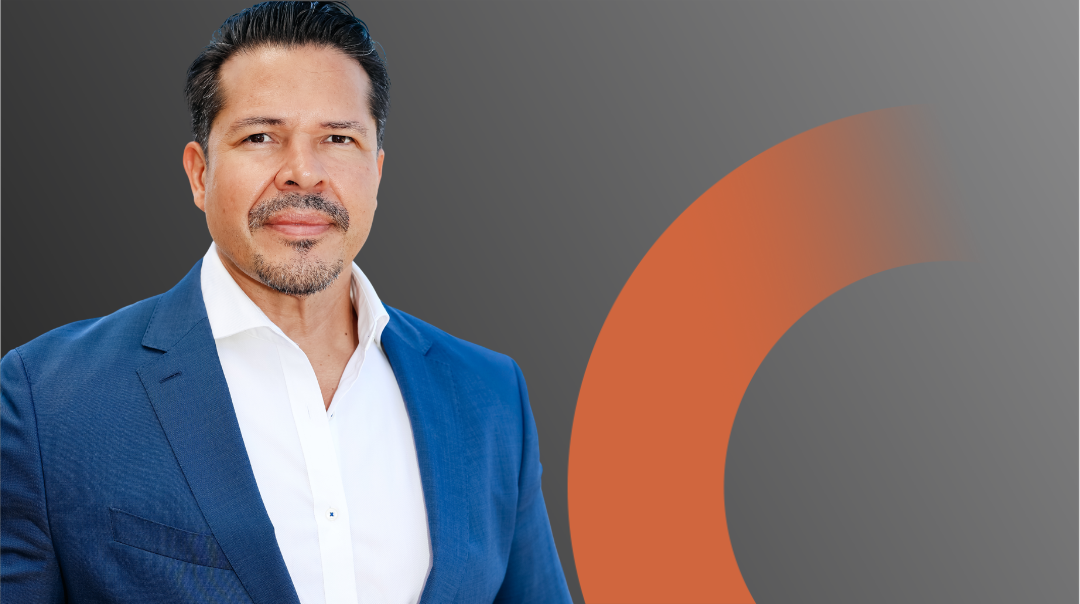


Insights into purchasing creditor claims in an Insolvency process with Mitch Taylor

In this episode of The Cut, Simon Cathro sits down with Mitch Taylor, founder of ClaimCloud, to explore a concept still unfamiliar to many Australian creditors: selling creditor claims for immediate liquidity.

With over 25 years in credit markets, including time on Wall Street during the GFC, Mitch shares why time is often the most overlooked cost in insolvency. Together, Simon and Mitch unpack how claim trading works, why insolvencies can stretch on for years, and how emotion, uncertainty and litigation shape creditor decisions.

This conversation challenges traditional thinking about recoveries and asks whether maximising cents in the dollar should always come at the expense of time.

Key Points

  • Time is as important as recovery value – Maximising cents in the dollar often comes at the cost of years of waiting.
  • Creditors are not a single group – Every creditor has different priorities, emotions and financial pressures.
  • Selling a claim should be an option, not a taboo – Claim trading gives creditors control over when they exit an insolvency.

Links

At Cathro & Partners, our team brings decades of hands-on turnaround experience across multiple industries.

We understand that early engagement is critical — the sooner action is taken, the more options remain available for the business, its clients, and stakeholders

For a confidential discussion on any of the above, please reach out to one of our experts.

Recent Articles

In this episode of The Cut, Simon Cathro sits down with Mitch Taylor, founder of ClaimCloud, to explore a concept still unfamiliar to many Australian creditors: selling creditor claims for immediate liquidity. With over 25 years in credit markets, including time on Wall Street during the GFC, Mitch shares why

In this episode of The Cut, Simon Cathro sits down with Mitch Taylor, founder of ClaimCloud, to explore a concept still unfamiliar to many Australian creditors: selling creditor claims for immediate liquidity. With over 25 years in credit markets, including time on Wall Street during the GFC, Mitch shares why

The Small Business Restructuring (SBR) framework has quickly become one of the most widely used mechanisms available to financially stressed SMEs. From only a handful of appointments in FY21, uptake has expanded to almost 3,000 SBR appointments in FY25, now representing a substantial  proportion of all formal insolvency appointments across Australia.  As the use of SBR

The Small Business Restructuring (SBR) framework has quickly become one of the most widely used mechanisms available to financially stressed SMEs. From only a handful of appointments in FY21, uptake has expanded to almost 3,000 SBR appointments in FY25, now representing a substantial  proportion of all formal insolvency appointments across Australia.  As the use of SBR

The definition of a Turnaround is a structured effort to restore a struggling company to financial health. While the definition sounds straightforward, the real work goes beyond the restoration of balance sheets, profit-and-loss or positive cash flows. Every business has its own unique idiosyncrasies, internal politics and stakeholder pressures —

The definition of a Turnaround is a structured effort to restore a struggling company to financial health. While the definition sounds straightforward, the real work goes beyond the restoration of balance sheets, profit-and-loss or positive cash flows. Every business has its own unique idiosyncrasies, internal politics and stakeholder pressures —