
Explore secured creditor appointments and processes with insights from Lander & Rogers experts.

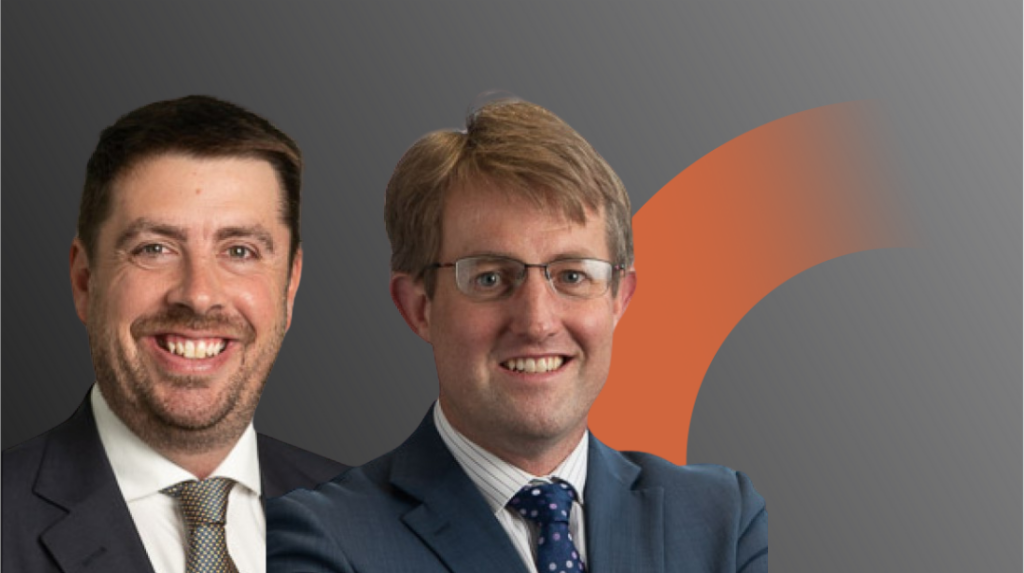
In this episode of The Cut, Simon Cathro speaks with Keiran Breckenridge and Jonathon Turner from Lander & Rogers about secured creditors and receiverships, a topic not covered in previous episodes⁠

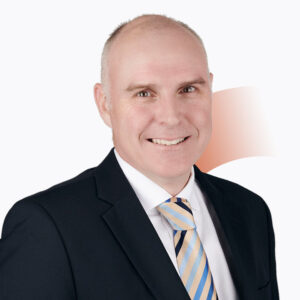
Jonathan Turner is a partner at Landers and Rogers, specialising in corporate restructuring, insolvency, and finance. He joined the firm about 15 months ago, moving from NRF⁠. Jonathan’s expertise and experience contribute to Landers and Rogers’ growing focus on corporate restructuring, insolvency, and finance

Keiran Breckenridge is a special counsel at Landers and Rogers, specializing in insolvency law. He has been with the firm for seven years. Prior to joining Landers and Rogers, Keiran took a few years to work in regional New South Wales, specifically in Tamworth and Armidale, as part of a “tree change” with his wife⁠. This diverse experience in both city and country legal practices has contributed to his comprehensive understanding of insolvency law and practice.

Key points discussed in this episode:

  • Overview of Lander & Rogers, its history, and recent growth in the corporate restructuring, insolvency, and finance space
  • The increasing trend of receiverships and the changing landscape of lenders in the market
  • The importance of security reviews and investigating accountant reports in the receivership process
  • Options available to secured creditors, including receivership, mortgage in possession, and voluntary administration
  • This episode provides valuable insights into the current state of receiverships and the role of secured creditors in the insolvency process.

Links

Cathro & Partners are experts in providing insolvency and restructuring services that help to create and preserve business value and to enable individuals to make a fresh start. The firm specialises in restructuring, turnaround, personal and corporate insolvency, safe harbour, secured enforcement services, government advisory services and pre-lending services. For a confidential discussion on any of the above, please reach out to one of our experts.

Recent Articles

At Cathro & Partners, we provide live access to ASIC insolvency statistics through our website dashboard, Cathro Clarity, enabling stakeholders to track insolvency trends and market movements in near real time. When the Small Business Restructuring (SBR) regime was introduced in FY21–22, initial uptake was modest, with just 37 restructuring plans recorded nationally

At Cathro & Partners, we provide live access to ASIC insolvency statistics through our website dashboard, Cathro Clarity, enabling stakeholders to track insolvency trends and market movements in near real time. When the Small Business Restructuring (SBR) regime was introduced in FY21–22, initial uptake was modest, with just 37 restructuring plans recorded nationally

In this episode of The Cut, Simon Cathro sits down with Mitch Taylor, founder of ClaimCloud, to explore a concept still unfamiliar to many Australian creditors: selling creditor claims for immediate liquidity. With over 25 years in credit markets, including time on Wall Street during the GFC, Mitch shares why

In this episode of The Cut, Simon Cathro sits down with Mitch Taylor, founder of ClaimCloud, to explore a concept still unfamiliar to many Australian creditors: selling creditor claims for immediate liquidity. With over 25 years in credit markets, including time on Wall Street during the GFC, Mitch shares why

The Small Business Restructuring (SBR) framework has quickly become one of the most widely used mechanisms available to financially stressed SMEs. From only a handful of appointments in FY21, uptake has expanded to almost 3,000 SBR appointments in FY25, now representing a substantial  proportion of all formal insolvency appointments across Australia.  As the use of SBR

The Small Business Restructuring (SBR) framework has quickly become one of the most widely used mechanisms available to financially stressed SMEs. From only a handful of appointments in FY21, uptake has expanded to almost 3,000 SBR appointments in FY25, now representing a substantial  proportion of all formal insolvency appointments across Australia.  As the use of SBR