

Insights into the Impact of Insolvency Events in the Construction Industry

Construction insolvencies now represent one of the largest shares of corporate failures in Australia. While the triggers vary, the underlying pattern is often remarkably consistent: tight margins, poorly defined scope, delayed payments, disputed variations and contractors effectively funding projects from their own balance sheets.

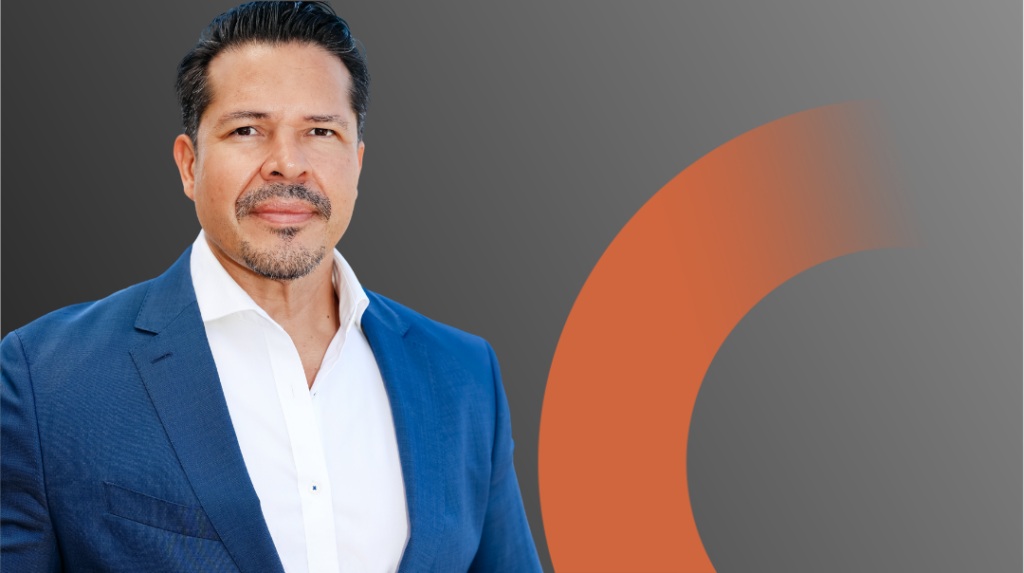
In this episode of The Cut, Simon Cathro speaks with Paul Rojas, founder of RA Law Group, to explore why so many construction businesses find themselves in this position — and what operators can do earlier to avoid it.

With more than 22 years’ experience in commercial litigation, construction disputes, insolvency and debt recovery, Paul has seen the same structural pressures play out across countless projects. The conversation examines the contractual and commercial issues that often sit behind construction insolvencies, and the steps builders, subcontractors and developers can take to better protect cashflow.

The discussion also highlights the importance of understanding payment rights under security of payment legislation, managing variations properly and ensuring contracts reflect the commercial realities of construction risk. For businesses operating in one of the most challenging sectors of the economy, proactive contract management and early legal advice can often determine whether a project remains viable or becomes another insolvency statistic.

Key Points:

  • Recurring patterns behind construction insolvencies: Many failures follow the same trajectory: poorly managed contracts, unpaid variations, project delays and sustained cashflow pressure.
  • Using security of payment laws effectively: These laws are designed to protect cashflow, but they only work when payment claims are issued correctly and enforced promptly.
  • Early legal and contractual planning matters: Reviewing contracts carefully, understanding termination rights and diversifying client exposure can help prevent financial stress escalating into insolvency.

Links

Cathro & Partners are experts in providing insolvency and restructuring services that help to create and preserve business value and enable individuals to make a fresh start. The firm specialises in restructuring, turnaround, personal and corporate insolvency, safe harbour, secured enforcement services, government advisory services and pre-lending services.

For a confidential discussion on any of the above, please reach out to one of our experts.

SERVICES

Services

Recent Articles

Personal bankruptcy and corporate insolvency – what the latest AFSA and ASIC data tells us Cathro and Partners have recently expanded our Cathro Clarity dashboard, which provides real time interactive analysis of insolvency statistics. We are pleased to now offer live data on personal bankruptcy as well as corporate insolvency.

Personal bankruptcy and corporate insolvency – what the latest AFSA and ASIC data tells us Cathro and Partners have recently expanded our Cathro Clarity dashboard, which provides real time interactive analysis of insolvency statistics. We are pleased to now offer live data on personal bankruptcy as well as corporate insolvency.

Most small business owners invest their own money long before a bank ever backs them. But when financial hardship strikes, many discover that their personal investment isn’t protected. In this episode of Season 5 of “The Cut”, Simon Cathro sits down with former insolvency lawyer and Krodok founder Matthew Kelly

Most small business owners invest their own money long before a bank ever backs them. But when financial hardship strikes, many discover that their personal investment isn’t protected. In this episode of Season 5 of “The Cut”, Simon Cathro sits down with former insolvency lawyer and Krodok founder Matthew Kelly

Trust accounts are fundamental to many professions where funds are held on behalf of clients or third parties. Lawyers, accountants, real estate and property agents, motor dealers, debt collection agents and owners’ corporations all commonly operate trust accounts as part of their day‑to‑day businesses. While these accounts are designed to

Trust accounts are fundamental to many professions where funds are held on behalf of clients or third parties. Lawyers, accountants, real estate and property agents, motor dealers, debt collection agents and owners’ corporations all commonly operate trust accounts as part of their day‑to‑day businesses. While these accounts are designed to