
Insights into Freezing Order Applications| Graeme Blank, Barrister and Mediator

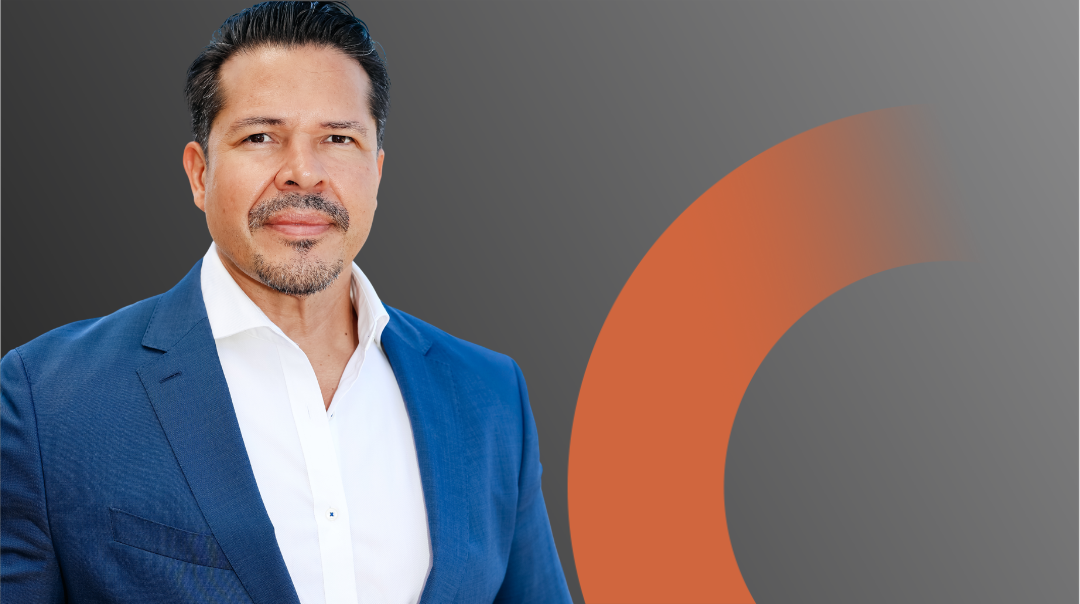
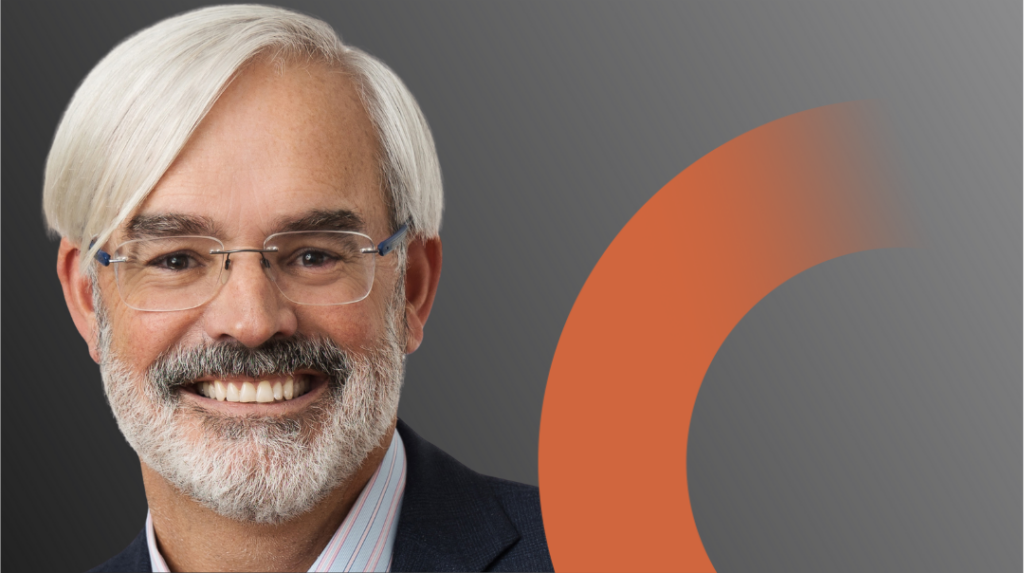
In this episode of The Cut, host Henry Kazar, principal of Cathro & Partners in Canberra, dives deep into the topic of freezing orders with guest Graeme Blank, a seasoned barrister from Blackburn Chambers. Together, they explore the nuances and implications of freezing orders within the realm of insolvency.

Henry and Graeme discuss the critical role of undertaking as to damages in the general freezing order environment, emphasising the expectations and responsibilities of both the applicant and their legal representatives.

They highlight the importance of offering this undertaking, even in cases where a judge may not explicitly request it, and the uncommon instances where a judge might decide not to accept it.

This episode is essential listening for insolvency practitioners who need to understand how to protect and preserve assets during investigations and proceedings for the benefit of creditors, beneficiaries, and other stakeholders. Tune in to gain valuable insights from experts with years of experience in insolvency, bankruptcy, and related legal matters.

Key Takeaways:

  • The significance of undertaking as to damages in freezing orders.
  • The responsibilities of legal representatives in such applications.
  • The rare circumstances where a judge might not require or accept the undertaking.
  • Practical advice for insolvency practitioners on asset protection and preservation

Join us for an informative discussion on all things insolvency and learn how to navigate the complexities of freezing orders effectively.

Links:

Cathro & Partners are experts in providing insolvency and restructuring services that help to create and preserve business value and to enable individuals to make a fresh start. The firm specialises in restructuring, turnaround, personal and corporate insolvency, safe harbour, secured enforcement services, government advisory services and pre-lending services.
For a confidential discussion on any of the above, please reach out to one of our experts

SERVICES

Services

Recent Articles

Construction insolvencies now represent one of the largest shares of corporate failures in Australia. While the triggers vary, the underlying pattern is often remarkably consistent: tight margins, poorly defined scope, delayed payments, disputed variations and contractors effectively funding projects from their own balance sheets. In this episode of The Cut,

Construction insolvencies now represent one of the largest shares of corporate failures in Australia. While the triggers vary, the underlying pattern is often remarkably consistent: tight margins, poorly defined scope, delayed payments, disputed variations and contractors effectively funding projects from their own balance sheets. In this episode of The Cut,

What the numbers are telling us — and what it means for businesses already carrying structural stress At Cathro & Partners, we deliver financial, strategic, commercial and operational solutions to support businesses and their advisers. Our work gives us a particular vantage point on what is happening beneath the surface

What the numbers are telling us — and what it means for businesses already carrying structural stress At Cathro & Partners, we deliver financial, strategic, commercial and operational solutions to support businesses and their advisers. Our work gives us a particular vantage point on what is happening beneath the surface

From 1 July 2026, employers will be required to remit superannuation contributions within seven days of paying employee wages, rather than under the current payment framework, which can be up to 3 months. This reform, commonly referred to as Payday Super, represents a material shift in the timing of employer obligations and has

From 1 July 2026, employers will be required to remit superannuation contributions within seven days of paying employee wages, rather than under the current payment framework, which can be up to 3 months. This reform, commonly referred to as Payday Super, represents a material shift in the timing of employer obligations and has